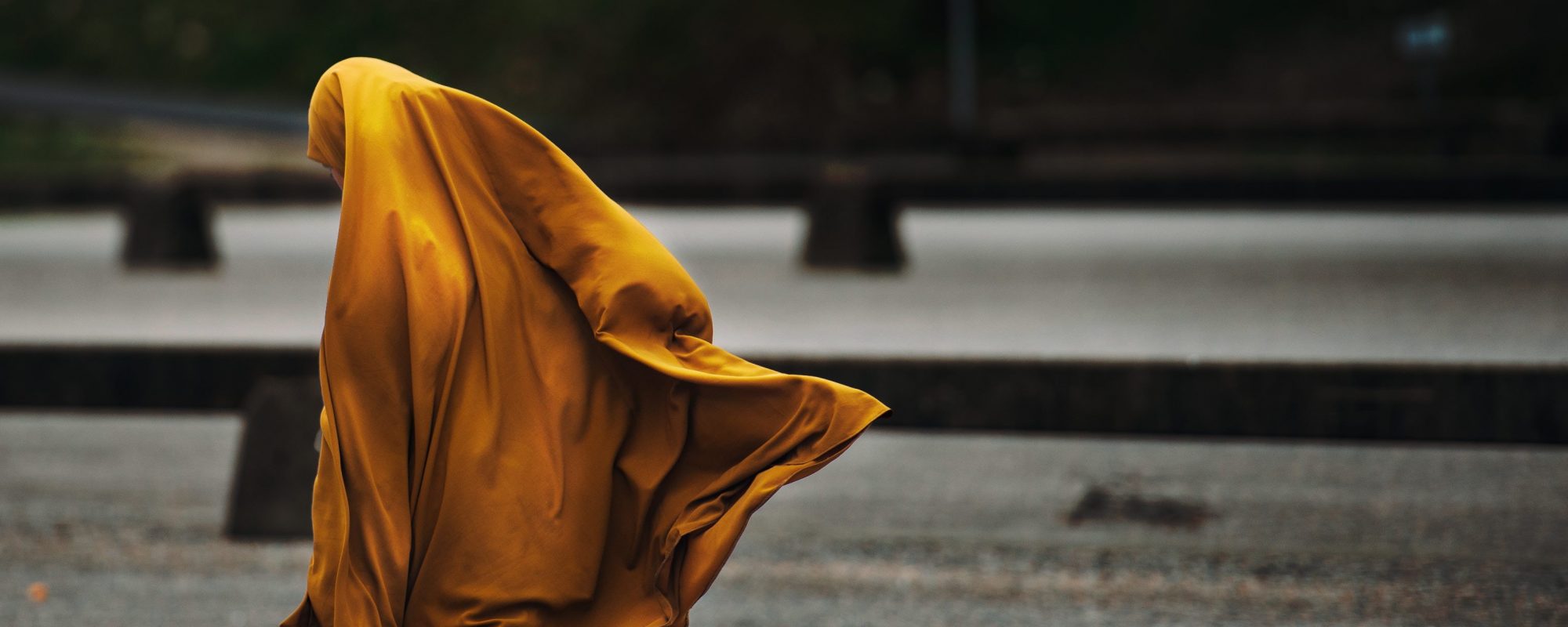
Who is a Refugee?

Source: http://www.unhcr.org/en-au/figures-at-a-glance.html
We experience inequality daily but for communities like the Syrians at the Ghana strip and the Rohingya in Myanmar, racism has evicted them from their homes and uprooted their lives.
A refugee is “a person forced to flee their country because of violence or persecution”.
Rohingya Background
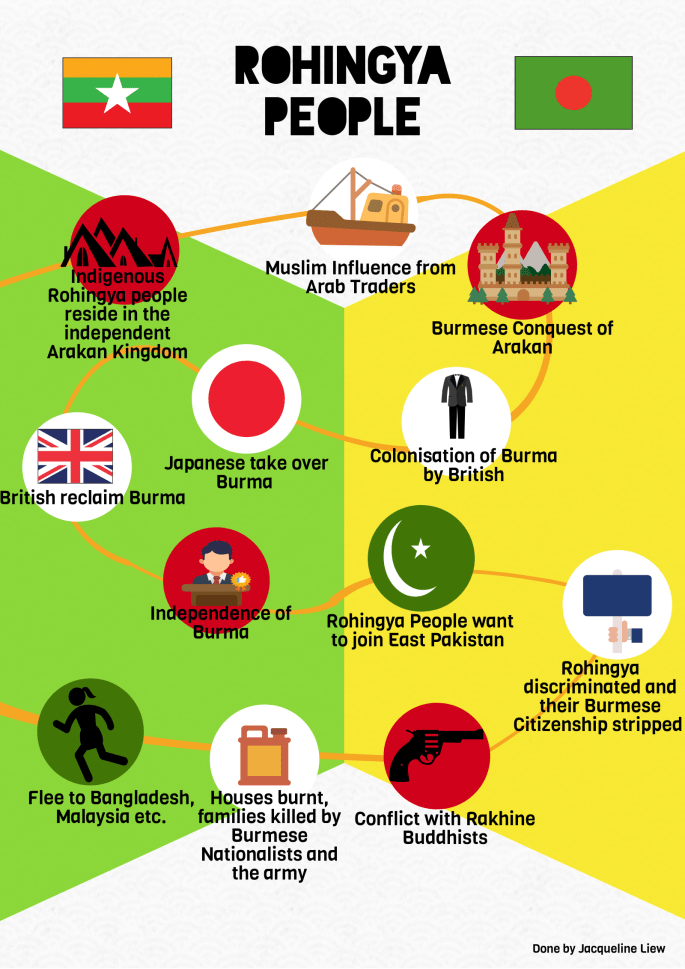
Rohingya Refugee Women’s Health in Kutupalong, a Global Health Issue
Addressing the elephant in the room – Rohingya refugees in Kutupalong, Bangladesh, is a good starting point since it is the largest refugee camp worldwide.
The aim of global health is to improve health and reach equity for everyone.
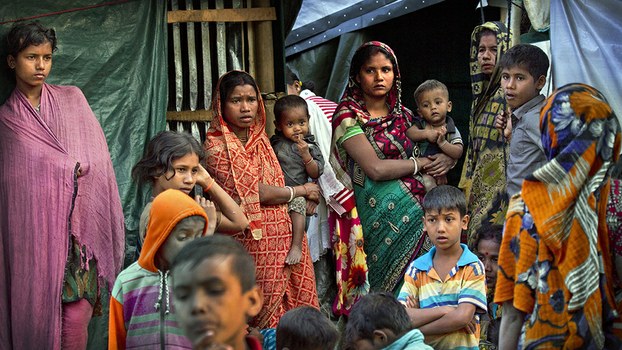
Source: https://www.rfa.org/english/news/myanmar/agreement-01162018161941.html
Men are killed en route to Bangladesh by Burmese soldiers and Buddhist nationalists so camp settlers are primarily women and children.
Health is the “state of complete physical, mental, and social well being, and not merely the absence of disease or infirmity.” – World Health Organisation
Determinants of health include physical environment, individual behaviour, social and environmental factors. You and I are blessed with accessible healthcare so we do not think much of common illnesses. Many refugees, however, still die of them. Women’s health is compromised in Kutupalong where lack of sanitation and food is commonplace. Poor living conditions causes women to suffer contagious diseases and infections from unhygienic births and risky abortions. At the lowest rung of society, Rohingya refugee women face gender discrimination on top of institutionalised persecution, causing them to run a high risk of mental health problems.
Causes of Poor Rohingya Refugee Women’s Health
Individual Hygiene and the Environment
Poor personal hygiene leads to oral-faecal contamination, spreading waterborne diseases like Cholera and Hepatitis E.
With limited water, Rohingya refugees have no choice but to shower, drink and defecate in the same source, causing disease outbreaks. Below, you will see the struggles refugees at Kutupalong face to obtain clean water.
Hepatitis E
Hepatitis E rarely causes death but kills 25% of women in the third trimester of pregnancy. In pregnant women, it may cause liver failure, miscarriage and death so hospitalisation should be considered. Good water sanitation, personal hygiene and vaccinations are the best preventive measures.
Societal Practices
Poorly informed communities with regards to medical practices also endanger pregnant women. One in seven Rohingya refugees have undergone risky abortions unprofessionally. Carrying the baby of your rapist is not only a mental battle but also socially frowned upon in conservative societies. In other cases, inability to provide for children forces women to terminate their pregnancies.
We celebrate mothers with flamboyant baby showers because childbirth is an excruciating process. Rohingya refugee women struggle in ways unimaginable to us. Unhygienic births and lack of medical expertise put new refugee mothers at risk of excessive bleeding and infections like tetanus.
Institutionalised Discrimination
NGOs like UNHCR, MSF and HOPE provide medical aid for refugees but resources are limited and chance of outbreaks rises with the monsoon season.
Forced to flee Myanmar, the Rohingya travel by foot to Kutupalong. The trauma caused by stress, rape, loss of family and friends, poor living environment and multi-faceted persecution cause depression and anxiety. In new mothers, depression during and after pregnancy adds to their mental distress.
Mental Health
A study on low and middle income women including refugees shows one in three women experience poor mental health, as opposed to one in five of us in Australia. Strong social support mitigates this. In serious cases, medication can be prescribed by physicians if therapy is inaccessible.
Present efforts for Rohingya Refugee Women
- 4200 clean delivery kits to reduce risk of infection during and after childbirth
- 30 000 Rohingya granted refugee status by Bangladesh
- Mass vaccination for cholera, diphtheria and measles
- Health and hygiene education sessions
- Psychotherapy by MSF and UNHCR
- Medical posts
- Hospitals
Improving refugee health is challenging because of geographical, political, economic and social limitations. Bangladesh is a developing country and does not have the capacity to accept a million refugees. Discrimination by the Myanmar government is difficult to combat and NGOs have limited funds.
How You Can Help
Awareness prevents the repeat of such tragedies in our communities.
The best help we can offer is monetary support for the NGOs helping at Kutupalong. Click here to donate to UNHCR, MSF or Action Against Hunger!
 Refugee Women's Health